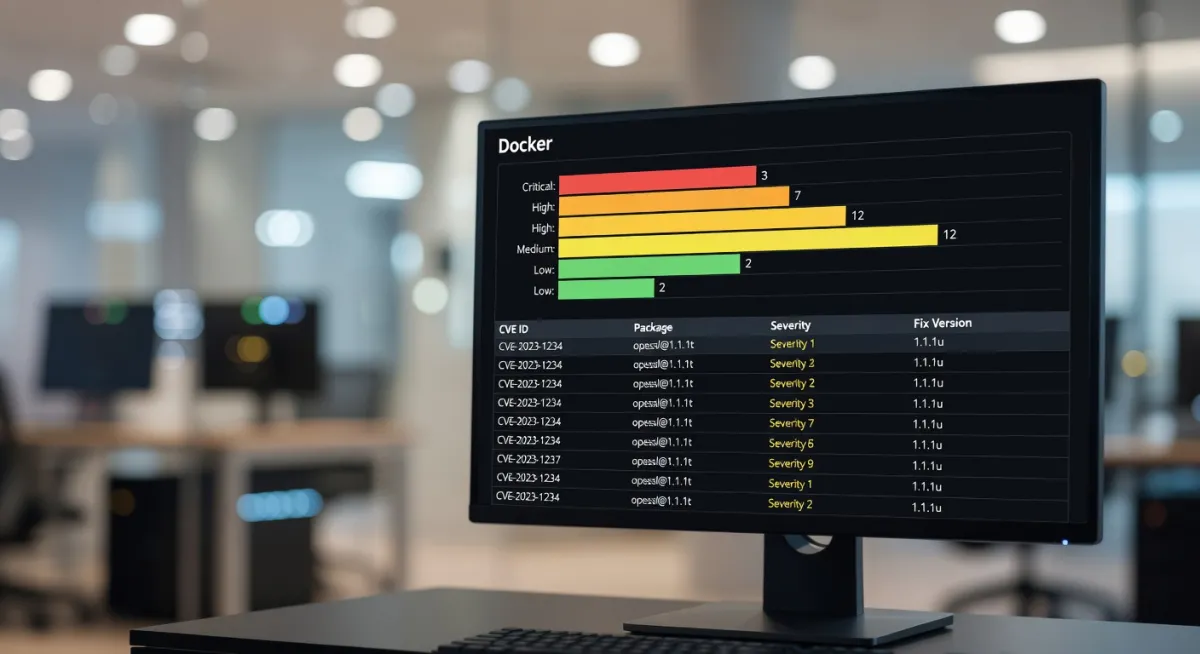
In the rapidly evolving landscape of digital technology, Docker has emerged as a cornerstone for developers, tech entrepreneurs, and business owners seeking effective Docker security tips. This powerful containerization platform streamlines application deployment across diverse environments. However, securing Docker containers is critical to protect sensitive data and maintain trust. This article dives into actionable Docker security tips and tricks, tailored for professionals building scalable solutions.
- Limit container privileges to reduce risks of unauthorized access.
- Regularly update Docker images to patch known vulnerabilities.
- Use read-only file systems to prevent malicious modifications.
- Implement user namespaces for better isolation of processes.
- Scan images for vulnerabilities before deployment every time.
- Restrict network exposure by configuring strict firewall rules.
- Monitor container activity continuously for unusual behavior.
Why Docker Security Matters in Digital Technology
For developers crafting innovative applications, Docker offers unmatched flexibility in deployment. Yet, this flexibility can introduce risks if not managed properly. Unsecured containers may expose critical systems to breaches or data leaks. This is a pressing concern in digital technology projects where uptime is vital.
Tech entrepreneurs often rely on Docker to scale startups quickly. A single security lapse can damage reputation and investor confidence. Ensuring robust protection through Docker security tips and tricks becomes a business imperative. It safeguards intellectual property and customer trust alike.
Business owners, even those not directly coding, must understand these risks. Their teams handle sensitive client data within containerized environments. A breach could lead to legal and financial consequences. Prioritizing security aligns with long-term growth strategies.
Engineering teams note that misconfigured Docker setups are common entry points for attacks. Simple oversights, like exposed ports, can be exploited easily. Adopting best practices early prevents costly downtime. Explore more on securing tech stacks at Cloud and DevOps.
Essential Docker Security Tips and Tricks for Containers
Securing Docker containers starts with minimizing privileges. Developers should run containers with the least access needed for functionality. This limits damage if a container is compromised. It's a fundamental step in risk reduction.

As an Amazon Associate, we earn from qualifying purchases.
Another key practice is using trusted images only. Tech entrepreneurs must source images from verified repositories like Docker Hub. Custom images should be built with security in mind. This prevents hidden malware from infiltrating systems.
As an Amazon Associate, we earn from qualifying purchases.
Regularly updating Docker and its components is non-negotiable. Business owners should ensure teams apply patches promptly. Outdated software often contains exploitable flaws. Staying current is a simple yet effective defense.
Implementing read-only file systems adds another layer of protection. Professionals in this field know that writable systems invite tampering. By restricting write access, malicious changes are blocked. Learn more about secure coding at Programming Resources.
Advanced Techniques for Docker Isolation
Isolation is at the heart of Docker's security model. Developers can enhance this by using user namespaces effectively. This maps container users to non-root host users. It reduces the impact of potential breaches.
Tech entrepreneurs scaling applications must prioritize cgroups. Control groups limit resource usage per container, preventing overloads. This ensures one compromised container doesn't affect others. It's a vital tactic for stability.

Business owners should encourage teams to leverage seccomp profiles. These restrict system calls containers can make. Limiting unnecessary calls minimizes attack surfaces significantly. It's a technical but powerful safeguard.
Engineering teams often combine these with AppArmor or SELinux. Such tools enforce strict access controls on container actions. They add depth to Docker security tips and tricks. This layered approach is highly recommended.
Network Security Strategies for Docker Environments
Network exposure is a common vulnerability in Docker setups. Developers must configure containers to use internal networks only. Exposing only necessary ports reduces external threats. This is a critical best practice.
Tech entrepreneurs should ensure teams implement firewall rules. Custom policies can block unauthorized access to container services. This protects intellectual property and client data. It's essential for competitive edge.
Business owners must understand the role of encrypted communication. Using TLS for Docker API interactions secures data in transit. Unencrypted channels are easy targets for interception. Encryption is a must for safety.
Professionals often use tools to monitor network traffic. Unusual patterns can indicate a breach or attack attempt. Proactive monitoring aligns with robust Docker security tips and tricks. It keeps systems resilient and secure.
Monitoring and Logging for Proactive Defense
Continuous monitoring is crucial for Docker security. Developers should integrate logging tools to track container activity. This helps detect anomalies before they escalate. Early detection saves time and resources.
Tech entrepreneurs benefit from centralized logging systems. These aggregate data from multiple containers for analysis. Patterns of misuse become visible quickly. This informs strategic security decisions.
Business owners should ensure teams review logs regularly. Missed alerts can lead to undetected breaches over time. Consistent oversight builds a culture of accountability. It's a practical step for protection.
Engineering teams recommend integrating with SIEM solutions. These systems correlate logs with broader threat intelligence. They enhance the effectiveness of Docker security tips and tricks. Staying proactive is the ultimate goal.
Best Practices for Image Vulnerability Management
Managing image vulnerabilities is a priority for developers. Scanning images before deployment catches known issues early. Tools like Docker's built-in scanner are invaluable. This prevents flawed code from running.
Tech entrepreneurs must enforce strict image policies. Only approved images should enter production environments. This reduces risks from third-party sources. It's a governance issue worth addressing.
Business owners should allocate resources for regular audits. Teams need time to assess and remediate image flaws. Neglecting this can lead to systemic weaknesses. Budgeting for security pays off long-term.
Professionals often use multi-stage builds to minimize risks. These reduce the attack surface in final images. Combining this with Docker security tips and tricks strengthens defenses. It's a smart, technical choice.
For trusted web development resources, visit MDN Web Docs and W3C. For authoritative guidance, refer to the NPS and NPS websites.
Frequently Asked Questions
How can I secure Docker containers from attacks?
Securing Docker containers requires a multi-layered approach. Developers should start by running containers with minimal privileges. Using read-only file systems prevents unauthorized changes. Network isolation limits exposure to external threats. Regularly updating images patches known vulnerabilities. Business owners must ensure teams follow these Docker security tips and tricks.
What are the best tools for Docker security scanning?
Several tools help scan Docker environments for vulnerabilities. Docker's built-in scanning feature is a great starting point. Third-party solutions like Trivy or Clair are also popular. These identify issues in images before deployment. Developers can integrate them into CI/CD pipelines. Tech entrepreneurs benefit from automating this with Docker security tips and tricks.
Why do Docker containers get hacked often?
Docker containers can be hacked due to misconfigurations. Exposed ports or excessive privileges create entry points. Outdated images often contain exploitable flaws. Developers must prioritize best practices to mitigate risks. Business owners should invest in training for teams. Regular audits help prevent such issues.
How do I limit Docker container permissions effectively?
Limiting Docker container permissions starts with non-root users. Developers should configure containers to avoid root access by default. User namespaces add an extra isolation layer. Dropping unnecessary capabilities reduces risks further. Tech entrepreneurs must enforce these policies across teams. It's a core safeguard in this field.
Should I use third-party plugins for Docker protection?
Third-party plugins can enhance Docker protection if chosen wisely. They often offer advanced monitoring or compliance features. However, developers must vet plugins for reliability first. Untrusted sources may introduce new risks instead. Business owners should consult experts before adoption. Only integrate tools that align with practices in this industry.
Final Thoughts
Mastering Docker security tips and tricks is essential for developers, tech entrepreneurs, and business owners. This article has outlined key strategies, from privilege minimization to proactive monitoring. Each tip strengthens containerized environments against evolving threats. Implementing these practices ensures safer deployments and builds trust.
Digital technology professionals must stay vigilant in securing Docker setups. Small oversights can lead to significant breaches. Explore more insights on Web Development to complement these efforts. Taking action now prevents future disruptions.
For further learning, trusted resources like MDN Web Docs and W3C offer valuable guidance. Commit to continuous improvement in security practices. Robust protection is a competitive advantage in tech.